
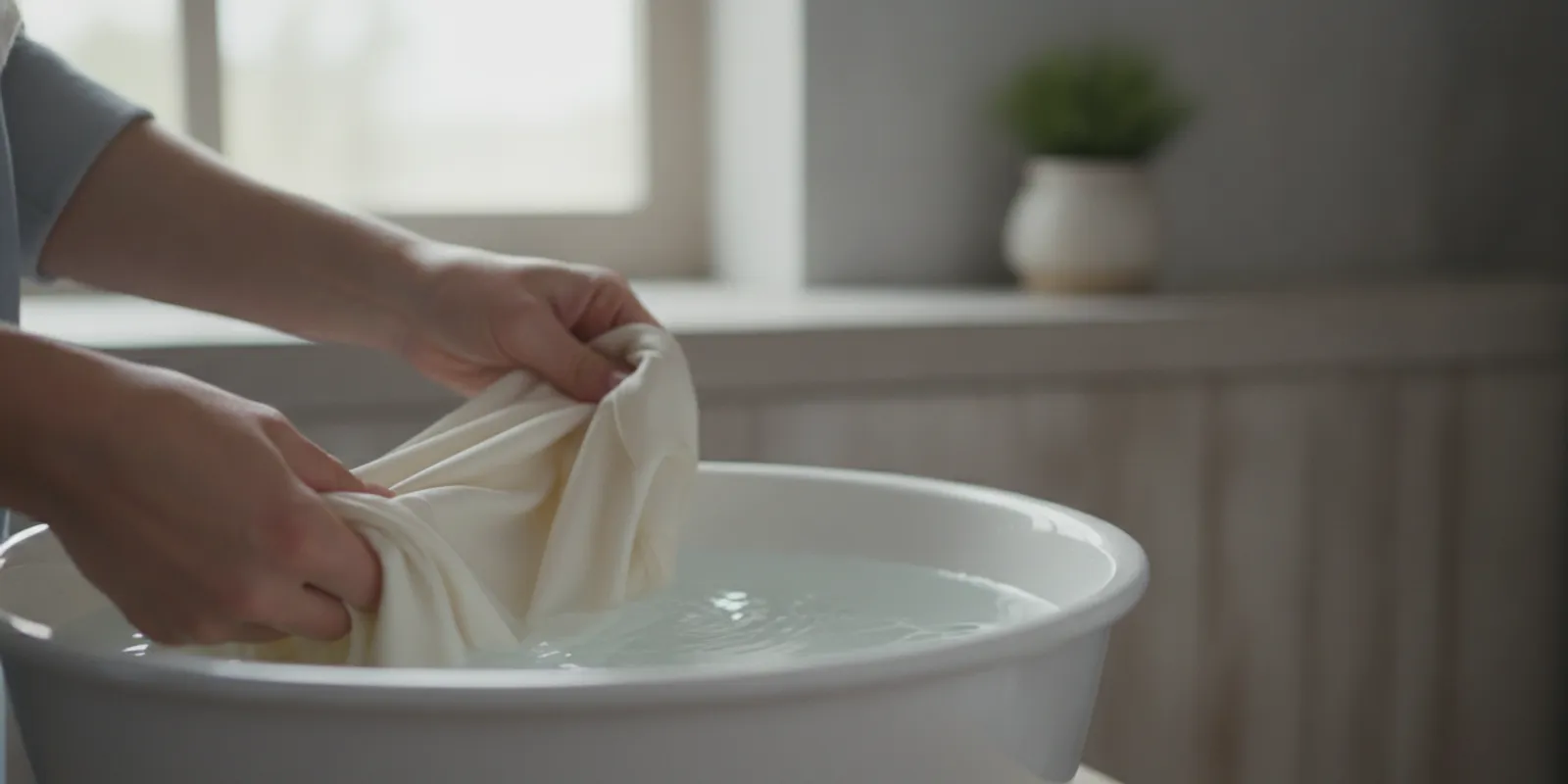
Knowing how to wash silk starts with the garment, not the basin. Silk can respond differently depending on its weave, dye, lining, trim, and construction, so a method that works for one washable scarf may not suit a lined blouse or embellished dress. Check the care label first, and stop if the instructions say dry clean only or are unclear.
Ask about a silk item assessment
Should you wash this silk garment at home?
Read the care label and inspect the whole item before using water. Look for beads, sequins, embroidery, metallic thread, glued decorations, a lining, shoulder pads, pleats, or a structured shape. These details can react differently from the silk fabric itself. Water can also cause some dyes to bleed or leave marks, and rubbing can disturb the surface.
Choose professional advice rather than home washing when the label directs dry cleaning, the garment is valuable or vintage, the dye is visibly unstable, or the piece has trim or construction you cannot identify. If there is a stain, avoid spot-treating it with household products. Different stains and finishes need different approaches, and extra rubbing can leave a visible change even after the garment dries.
For a simple garment whose label permits washing, prepare a clean basin and use a mild detergent intended for delicate items. Use cool to lukewarm water, not hot water. Virginia Tech’s textile-care material advises gentle handling of silk and wool, with lukewarm water, minimal agitation, and mild detergent. Read the Virginia Tech textile-care guidance.
How do you wash silk by hand?
- Check colorfastness cautiously. If the label allows washing and the item has a hidden area, dampen a small, inconspicuous spot with cool water. Blot it with a clean white cloth. If color transfers or the fabric changes, stop and seek professional advice. A small test cannot guarantee that the whole garment will behave the same way.
- Prepare the wash water. Fill a clean basin with cool or lukewarm water and add a small amount of mild detergent according to its directions. Avoid bleach, strong stain removers, and products that are not meant for delicate fabrics. Do not pour concentrated detergent directly onto the silk.
- Wash with minimal movement. Submerge the garment only if its care label allows it. Gently move it through the water without scrubbing, twisting, or stretching. Keep the wash brief and do not leave silk soaking for a long time.
- Rinse gently. Drain the basin and use fresh water at a similar temperature to rinse. Support the garment as you lift it. Sudden temperature changes and pulling on wet fabric add avoidable stress.
- Remove water without wringing. Press the garment gently against the basin to release water. Then lay it on a clean, dry towel, roll the towel loosely with the garment inside, and press lightly. Do not twist or wring it.
Can you wash silk in a washing machine?
Do not assume that every silk item is machine washable. Follow the care label. If it specifically permits machine washing, use a mesh laundry bag, a delicate cycle, cool water, and a mild detergent. Wash the item with other lightweight pieces in similar colors, not with jeans, towels, or garments with hooks and rough fasteners. A machine cycle still involves movement, so hand washing or professional care may be the more cautious choice for a fragile or valuable item.
Never treat a machine’s delicate setting as permission to wash a dry-clean-only garment. The label, construction, and condition matter more than a general rule about silk.
How should silk dry?
After removing excess water with a towel, reshape the garment gently and dry it flat on a clean surface, away from direct sunlight and heat. If the item needs to hang, use a suitable padded hanger only when its weight and construction will not stretch the shoulders. Avoid a tumble dryer, radiator, hair dryer, and direct sun. Heat and prolonged light exposure can be hard on delicate fabric and dyes.
Wait until the piece is fully dry before putting it away. Keep silk in a clean, dry space, and avoid pressing it into a crowded closet while damp. If you notice a new mark, color change, or distorted shape, do not keep experimenting with home treatments.
Can you iron silk?
Check the care label before pressing. If ironing is allowed, use the lowest suitable heat setting and test an inconspicuous area first. Press on the reverse side when possible, with a clean pressing cloth between the iron and fabric. Keep the iron moving and avoid pressing hard on seams, folds, or embellishments. A steamer may also be unsuitable for some dyes, finishes, or trims, so do not assume it is automatically safer.
When should you ask for specialist care?
Get advice before cleaning a silk item that is lined, tailored, decorated, vintage, unusually valuable, or marked with a stain you cannot identify. The same applies if the label is missing or the garment has already changed color or shape. Tell the care professional what happened, including any home products or methods already tried. This gives them useful context, but it does not guarantee a particular cleaning result.
Dryeco provides garment-care services that include specialty care. For an individual silk piece, ask for an assessment and confirm its care options, pricing, and expected turnaround before proceeding. Dryeco’s published pickup information describes collection and return logistics; confirm that pickup is available for your address rather than assuming every South Florida location is covered.
Call to discuss care for a silk garment
Silk-washing questions
What detergent should I use on silk?
Choose a mild detergent intended for delicate fabrics, follow the product directions, and avoid bleach or strong stain removers. If the label requires a particular method or the garment has special finishes, follow the label and ask a professional if uncertain.
Can silk be washed with other clothes?
For hand washing, clean one item or a small group of similar, colorfast pieces at a time. In a machine, only wash silk if the care label permits it; use a mesh bag and keep it away from heavy fabrics, rough fasteners, and items of a different color that might bleed.
What if the color runs?
Stop washing and do not scrub or add stain remover. Rinse only if the care instructions permit it and doing so will not create more risk; otherwise, seek professional advice promptly and explain what occurred.
Is dry cleaning always safer for silk?
Not necessarily. Follow the care label and consider the garment’s construction, dye, trim, and condition. When the instructions are missing or the item is important to you, have it assessed rather than choosing a method based on the fiber name alone.
Silk care is about limiting risk, not applying one universal rule. Check the label, handle washable pieces gently, and ask for an item-specific assessment when the fabric, finish, or construction gives you pause.
For more garment-care guides, browse Dryeco’s News & Updates.
